
Many Brazilian families rely on social assistance programs such as Bolsa Família for essential expenses. This guide explains loan rules, older contracts, and credit alternatives.
It also covers eligibility, risks, documents, and support. Understanding the current policy can help families avoid outdated or misleading offers.
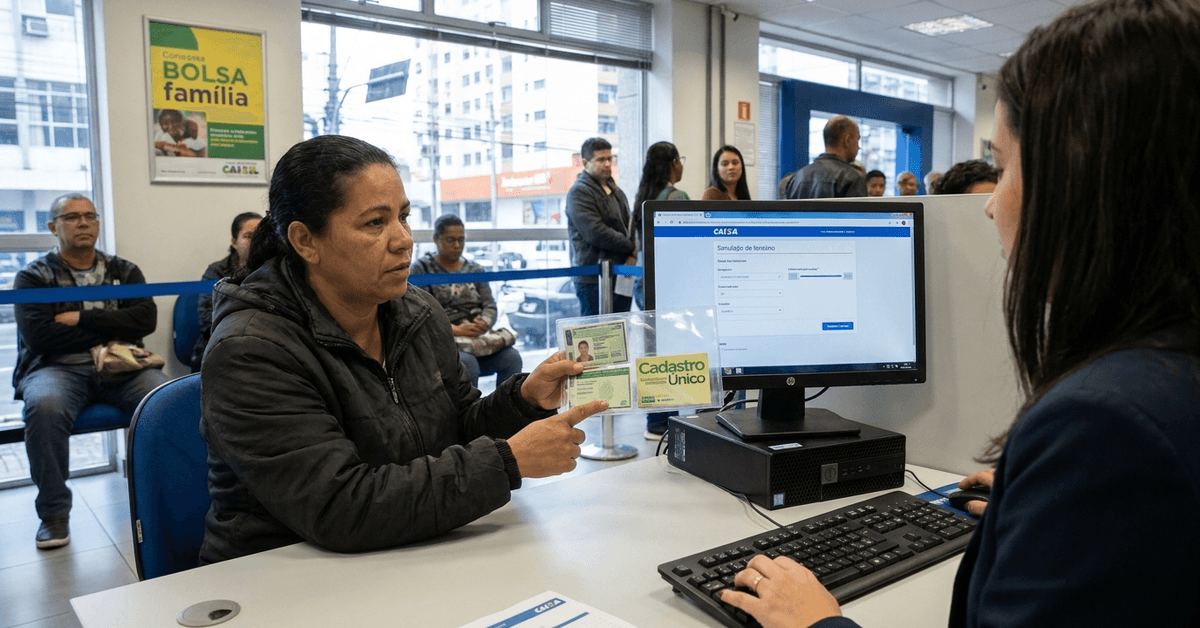
Understanding the Bolsa Família Loan: What Is It?
The former Auxílio Brasil consignado allowed repayments through deductions from monthly benefits. Under today’s Bolsa Família rules, new payroll loans deducted from Bolsa Família are no longer permitted.
The Purpose Behind the Loan
The earlier program gave beneficiaries access to credit backed by predictable benefit payments. Repayments used automatic benefit deductions, reducing each monthly payment until the debt ended.
Current Bolsa Família legislation removed this new borrowing option, so families should not assume it remains open.
How Banks Partner in the Program
Financial institutions previously offered the consignado under Auxílio Brasil rules. CAIXA participated and currently states that new contracts remain suspended. Existing agreements may still generate deductions until fully repaid.
Eligibility for the Bolsa Família Loan: Who Can Apply?
Beneficiaries cannot enter new consignado contracts deducted from Bolsa Família. Anyone researching a Bolsa Familia loan application should separate rules from older Auxílio Brasil information.
General Eligibility Criteria
There are no current eligibility criteria for a new Bolsa Família consignado because new contracts are prohibited. Other independent credit products follow each lender’s requirements.

- Receiving Bolsa Família does not automatically qualify someone for a personal loan.
- Banks may assess identity, income, repayment capacity, and credit history.
- Cadastro Único information should remain accurate.
- Older consignado contracts remain separate from new ordinary credit.
Common Exclusion Cases
Former rules about payment cycles or benefit status do not create eligibility today. Families who apply for empréstimo Bolsa Família through advertising should verify whether the offer is unrelated bank credit.
- An inactive benefit cannot create a new consignado entitlement.
- Old Auxílio Brasil advertisements may describe expired rules.
- Guaranteed approval claims based only on Bolsa Família should be treated cautiously.
How to Apply for the Bolsa Família Loan: Step-by-Step Walkthrough
There is no route for a new Bolsa Família payroll loan today. These verification steps can help families assess offers and avoid misleading claims.
Step 1: Check All Program Requirements
Confirm the household’s Bolsa Família status through government channels. Keeping Cadastro Único data updated remains important, although it does not unlock consignado borrowing. Report changes in address, income, or household composition through the appropriate service.
Step 2: Visit the Participating Bank or Official Channel
Do not visit a bank expecting a new Bolsa Família consignado. Use official banking channels to determine whether an offer is a personal loan or another regulated product. The lender should explain repayment and costs before collecting information.
Step 3: Present Required Documentation
Credit may require documents confirming identity, address, and financial circumstances. Document requirements depend on the lender and product.
- Valid identification such as RG, CNH, or another accepted document
- CPF and current contact information
- Proof of address when requested
- Income or banking information for affordability assessment
Step 4: Review Loan Analysis and Simulation
A legitimate lender should show the amount, interest, fees, installments, and total repayment. People searching how to get Bolsa Familia credit should remember that benefit receipt does not guarantee approval or create a consignado. Compare total cost with household income before accepting credit.
Step 5: Accept Contract Terms Only If Appropriate
Read the contract before accepting any credit product. The repayment method should clearly identify how installments will be collected. Never accept a contract only because a promoter calls it government approved.
Step 6: Wait for Valid Fund Disbursement
Ordinary loan funds should be released according to the lender’s process after approval. Transfer timing varies with verification and banking procedures. Avoid lenders asking for advance payments to release credit.
Pros and Cons of the Bolsa Família Loan
Because new Bolsa Família consignado borrowing is unavailable, comparisons now involve older contracts and separate credit. Families should weigh financial consequences before taking new debt.
Key Advantages
Older benefit-linked loans offered structured deductions and easier collection. Those historical loan features should not be mistaken for current availability.
- Legacy installments were automatically deducted from benefits.
- Borrowers had structured payment schedules.
- Older contracts remain governed by their applicable agreements.
Potential Disadvantages
Borrowing can reduce money available for necessities. These budget pressures matter especially for households relying on social benefits.
- Existing deductions reduce the monthly benefit received.
- Separate loans create additional repayment obligations.
- Interest and fees increase borrowing costs.
- Fraudulent offers may misuse the Bolsa Família name.
Tips for a Successful Application and Responsible Use
Families considering ordinary credit should focus on affordability and legitimacy. Comparing Brazil social loans and regulated alternatives may help when assistance fits better than commercial debt.
Plan Ahead for Monthly Impacts
Calculate how installments affect essential household expenses. A realistic budget should still cover food, housing, transport, healthcare, and utilities. If repayment creates a recurring shortage, borrowing may worsen financial pressure.
Keep Documents and Registrations Updated
Cadastro Único should remain current for social program administration. Updated household records do not create loan eligibility, but they can prevent benefit complications. Keep personal documents secure and use verified channels.
Double-Check Bank Terms
Compare interest, fees, repayment periods, and the total amount payable. Small pricing differences can change the final cost substantially. Ask the lender to explain unclear terms before signing.
Resist Non-Essential Borrowing
Easy credit can encourage spending that later strains household finances. Reserve borrowed money for situations where repayment is affordable and justified. Consider non-credit assistance when appropriate.
Legal and Financial Considerations
Bolsa Família rules and private lending regulations serve different purposes. Families should understand that distinction before responding to advertisements linking government benefits with commercial credit.
Regulatory Supervision
Federal Bolsa Família rules prohibit new consignado loans deducted from the benefit. Regulated lenders may still offer separate credit products under ordinary approval standards. Advertising should not imply federal authorization for private credit.
Tax Implications
Borrowed money is generally debt rather than employment income. Individual tax circumstances can vary with other income and applicable rules. Families with tax questions should use official Receita Federal guidance or professional advice.
Dispute and Support Channels
Questions about older Consignado Auxílio contracts should go to the issuing institution. For benefit questions, families can use official Bolsa Família channels or local CRAS services. Suspected fraud should be reported through appropriate consumer or banking channels.
Conclusion
New loans deducted directly from Bolsa Família benefits are not currently permitted. Understanding today’s rules separates older Auxílio Brasil contracts from private credit.
Comparing costs, repayment capacity, and official information can reduce financial risks. Verified government and banking channels support safer borrowing decisions for families seeking additional resources.