Filing for a domestic violence restraining order costs $0 in California. No filing fee, no application charge, nothing. That surprises people who assume courts price safety behind a paywall.
But the paperwork trips up more petitioners than the cost ever could. A single missing form or a botched service of process can delay protections by weeks, sometimes longer.
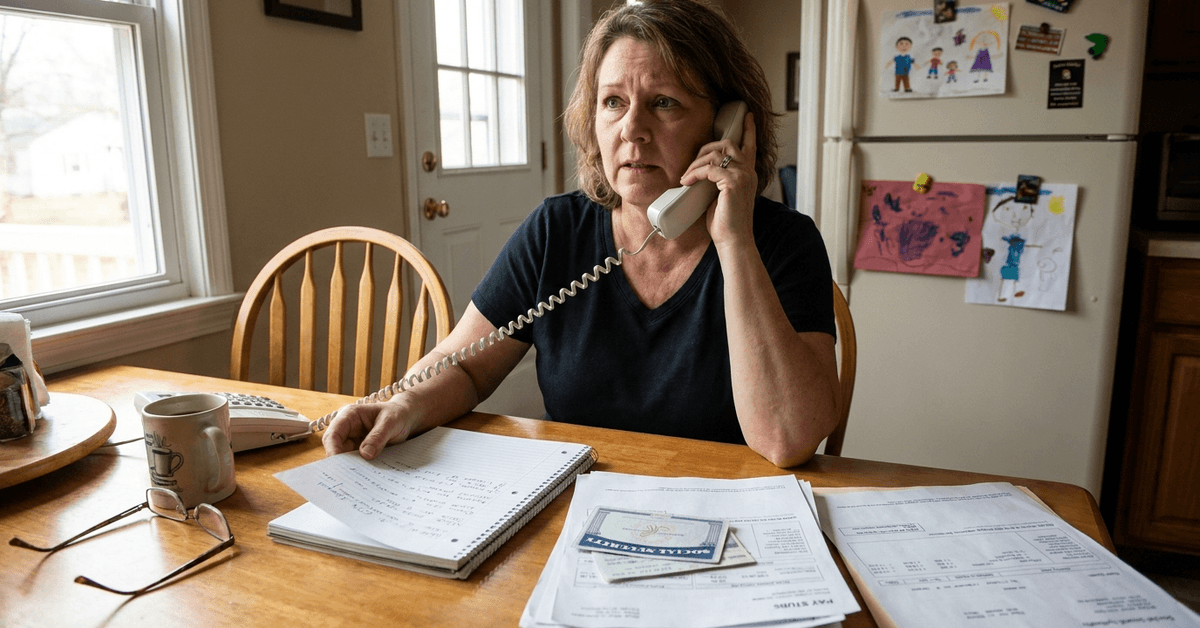
This guide is written for the person sitting at a kitchen table with a stack of court forms, wondering what to fill out first. If you need a DVRO and have zero legal background, this walks you through the full process and the serving rules that make the order stick.
What a DVRO Protects Against and Who Qualifies
A domestic violence restraining order (DVRO) is a civil court order under California Family Code Sections 6200 through 6409 that restricts an abusive person from contacting or coming near the protected party.
The order can require the restrained person to move out of a shared home, stay a set distance away, and surrender firearms.
Qualifying Relationships Under California Law
The DVRO applies to a specific set of relationships. California Family Code Section 6211 defines domestic violence relationships broadly beyond just marriage or cohabitation.
You can file against a current or former spouse, someone you dated, a cohabitant, a co-parent, or a close relative by blood, marriage, or adoption.
What Counts as Abuse
Abuse under this law is broader than physical violence. The conduct alleged must fall within California's Domestic Violence Prevention Act, which covers physical harm, threats, stalking, harassment, sexual assault, and behavior that destroys someone's personal property or disturbs their peace.
I think the word "abuse" causes people to self-screen out of filing a DVRO because they associate it strictly with physical assault.
California Family Code Section 6203 includes threats, coercive control, and destroying someone's property. If you've been told "it doesn't count unless he hits you," the statute disagrees.
Three Types of Restraining Orders and How Long They Last
California uses three tiers, each with a different lifespan and trigger.
Emergency Protective Orders (EPOs) get issued by a judge over the phone at a police officer's request during a 911 response. They last five to seven calendar days. The purpose is a short window of safety while the survivor decides whether to file for a DVRO through the court.
Temporary Restraining Orders (TROs) come from filing form DV-100. A judge can grant a TRO the same day you file. The judge may issue a temporary order that stays active until the full court hearing, typically set within 21 to 25 days.
Restraining Orders After Hearing (permanent DVROs) can last up to five years and are renewable through form DV-700 before expiration. "Permanent" is misleading. The order expires unless you actively renew it.
| Order Type | How It Starts | Duration |
|---|---|---|
| Emergency Protective Order (EPO) | Police officer calls a judge | 5 to 7 days |
| Temporary Restraining Order (TRO) | Petitioner files DV-100 | Until the hearing (21 to 25 days) |
| Restraining Order After Hearing | Judge grants after hearing | Up to 5 years, renewable |
The five-year clock starts on the date the judge signs the order after the hearing, not the date you first filed.
Filing for a DVRO Step by Step
To file for a DVRO in California, you must complete form DV-100 (Request for Domestic Violence Restraining Order) and form DV-109 (Notice of Court Hearing) at your local courthouse.
California does not charge a court filing fee to request a domestic violence restraining order.
Gather Your Evidence First
Courts weigh documentation heavily. Collect these before you walk into the courthouse:
- Text messages, voicemails, emails, or social media messages showing threats or harassment
- Photos of injuries, damaged property, or the scene of an incident
- Medical records, hospital visit summaries, or doctor's notes
- Police reports, 911 call logs, or case numbers from prior incidents
- Witness contact information for anyone who saw or heard the abuse
Organizing a written timeline of events helps your case. Judges read dozens of declarations a week. A chronological account with dates and specifics stands out over a vague narrative.
Fill Out and Submit Your Forms
The main forms are DV-100, DV-109, and DV-110. If children are involved, add form DV-105 for custody and visitation orders. A confidential CLETS information sheet (form DV-160) goes in as well.
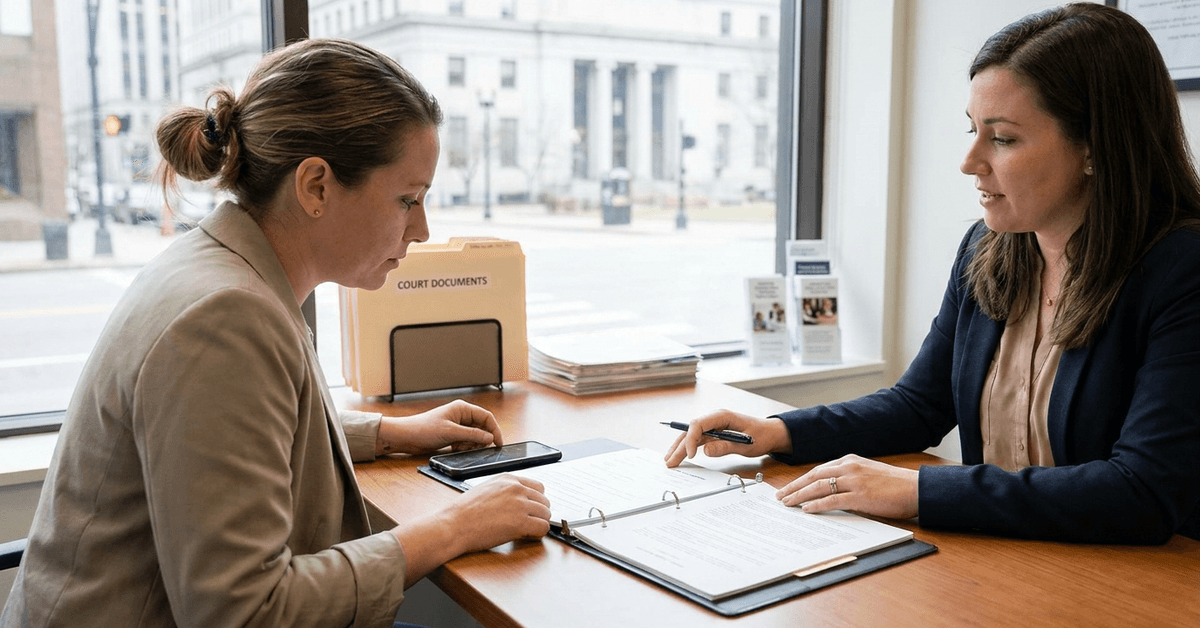
Most courthouses run a self-help center staffed with people who can walk you through the forms. They cannot give legal advice, but they can tell you which boxes to check and which attachments you need.
What Happens After You File
A judge reviews your paperwork, often the same day. If the written statement shows a clear safety concern, the judge can grant a temporary restraining order on the spot. A hearing date gets set, usually within three weeks.
How to Serve a DVRO So It Holds Up in Court
This is where most mistakes happen. A DVRO has no legal teeth until the restrained person receives formal notice. If service goes wrong, the hearing gets postponed and the TRO may lapse.
Who Can Legally Serve the Papers
Your forms can be personally served by anyone over 18 years of age who is not involved in your case, such as a friend, a relative, law enforcement, or a professional process server. You, the petitioner, cannot serve the papers yourself.
Options for service:
- Sheriff's department: free in most California counties for DVRO cases
- Professional process server: costs roughly $50 to $150 per attempt, but they handle evasive respondents better
- Any adult not named in the case: a friend or family member qualifies, though they must be prepared to testify about the delivery if needed
The Proof of Service Form Matters More Than You Think
Whoever serves the court papers on the abuser will have to fill out a proof of service form. This form records the date, time, location, and method of delivery.
Before filing the proof of service form in court, make five copies of it, then bring the original and five copies to court. I would push anyone filing a DVRO toward using the sheriff's department or a registered process server over asking a friend.
The proof of service form DV-200 requires precise details, and an incomplete form can derail your hearing. Sheriff's deputies fill these out routinely and rarely make errors on them.
After the DVRO Gets Served: CLETS and Enforcement
Once a temporary or permanent DVRO is granted and the CLETS information form is filed, the information on the restraining order gets entered into the California Law Enforcement Telecommunications System (CLETS) the same date the order is granted, if the necessary information is provided on the forms.
Why CLETS Registration Changes Everything
CLETS is a statewide database that immediately notifies all law enforcement agencies in California about active restraining orders. CLETS also connects to the National Crime Information Center (NCIC), providing nationwide protection.
A restraining order that is not in CLETS is difficult for police to enforce during a 911 call. When a restraining order is not contained in CLETS, it is not enforceable by law enforcement.
So double-check that your identifying details on form DV-160 are complete and accurate. Missing a driver's license number or vehicle plate can delay entry into the database.
What to Do Immediately After the Order Is Active
Take these steps the same week:
- Inform your local police station and give them a copy of the order
- Provide copies to your workplace, your children's school, and your childcare provider
- You are entitled to three free certified copies of the DVRO from the court clerk. Get all three
- Save the court's phone number and your case number in your phone
- Keep a physical copy of the order on you at all times
If the Restrained Person Violates the Order
Violating a DVRO is a crime under California Penal Code Section 273.6. Call 911 immediately. Do not confront the person. Do not try to negotiate. Officers responding to a CLETS-registered order can arrest the violator on the spot.
Document every violation, even small ones. A pattern of minor violations (showing up at your workplace, sending messages through a third party) builds a record the court uses when deciding whether to extend or modify the order.
Questions People Ask About Domestic Violence Restraining Orders
A few searches come up repeatedly. These answers cover ground the sections above touched on briefly.
- Q: Can I file a DVRO if I'm undocumented?
Yes. California courts do not ask about immigration status when processing DVRO filings. Noncitizens have the same right to file and receive protection. No court employee will report you to immigration authorities for filing a restraining order. - Q: Does a DVRO show up on a background check?
A DVRO is a civil order, not a criminal conviction. It generally does not appear on standard employment background checks. But if the restrained person violates the order and gets charged under Penal Code 273.6, that criminal case would show up on their record. - Q: Can I get a DVRO if the abuse happened a long time ago?
There is no strict time limit for filing. Courts look at whether you currently need protection. If the abuser recently made contact, renewed threats, or you have reason to fear future harm, the timeline of the original abuse matters less than the present risk. - Q: What happens if the restrained person lives in another state?
A DVRO issued in California is enforceable nationwide under the federal Violence Against Women Act. The CLETS-to-NCIC connection means out-of-state law enforcement can verify your order. Carry a certified copy when traveling. - Q: Can I drop a DVRO after it's been granted?
Either party can request the court to modify or terminate the order using form DV-300. The judge decides whether to grant the request. Courts sometimes deny termination if they believe the risk remains, even when the protected party asks to drop it.
Conclusion
Filing a DVRO takes patience, paperwork, and enough courage to walk into a courthouse. The process protects people who have run out of informal options. California built this system without filing fees for a reason.
If you need the National Domestic Violence Hotline, the number is 1-800-799-7233, available 24 hours a day in over 200 languages.