Uber Eats courier jobs offer flexible income opportunities across Spain. This guide explains requirements, application steps, delivery routines, and challenges.
It also covers earnings, legal factors, transport choices, and common questions. It gives first-time applicants a clear overview before starting.
Why Delivering with Uber Eats in Spain Appeals to Many?
Delivery platforms have changed food ordering and created extra income options. Uber Eats can appeal to students and people seeking flexible schedules.
Flexible Hours and Independent Earnings
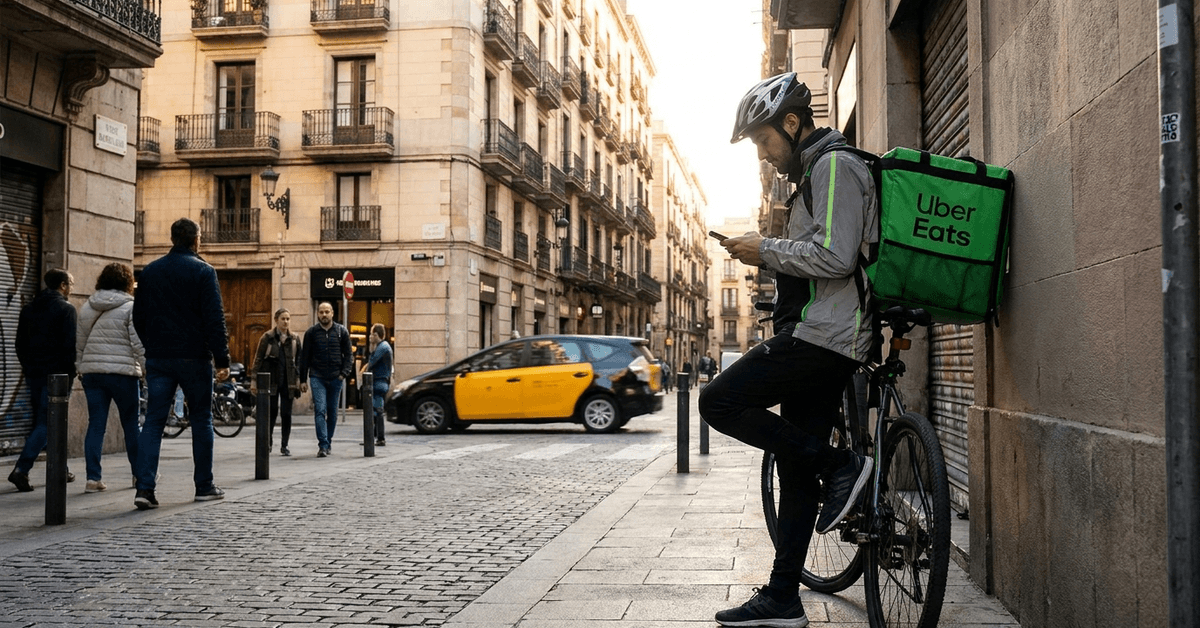
Uber Eats lets couriers choose when they want to work. They can log in, accept available orders, and decide when to stop. This schedule flexibility can fit around other responsibilities.
Simple Entry Requirements
The entry process is relatively accessible. Previous delivery experience is not generally mandatory. These simple requirements attract varied applicants.
Urban Demand in Major Spanish Cities
Madrid, Barcelona, Valencia, and Seville have significant food-delivery activity. More app users can create additional courier opportunities. However, local demand levels vary and popular areas may be competitive.
What Are the Requirements for Uber Eats Couriers in Spain?
Applicants must meet basic requirements before starting. Local rules should be checked carefully before beginning the registration process.
- Age: Applicants usually need to be at least 18 years old.
- Transport: A bicycle, scooter, or car must meet local regulations.
- Documentation: Valid ID, work authorization, and other required records may be needed.
- Smartphone: A compatible Android or iOS device must run the Uber Driver app.
- Bank Account: Payment details are needed for receiving earnings.
- Legal Registration: Couriers generally need autónomo registration under the arrangement described in this guide.
How to Apply for Uber Eats Courier Work: Step-by-Step
The application follows registration and verification stages. Preparing documents early can simplify the process.
1. Online Registration
Applicants begin on the official Uber Eats delivery page. The form asks for name, email, city, and vehicle type. Providing accurate information can reduce delays.
2. Upload Required Documents
Applicants upload identification, a driving license when applicable, and proof of self-employment status. A selfie may also be requested for identity verification. Clear document images can help avoid repeat uploads.
3. Pass Background Check
Uber Eats may review criminal or driving records, especially for motorized couriers. Processing time can vary considerably depending on the individual case. This screening stage may require patience.
4. Legal Self-Employment Registration (Autónomo)
Under the arrangement described here, couriers register as autónomos and manage taxes and social security contributions. Some applicants use a gestoría for paperwork or filings. Keeping legal records organized can help.
5. Download and Configure the App
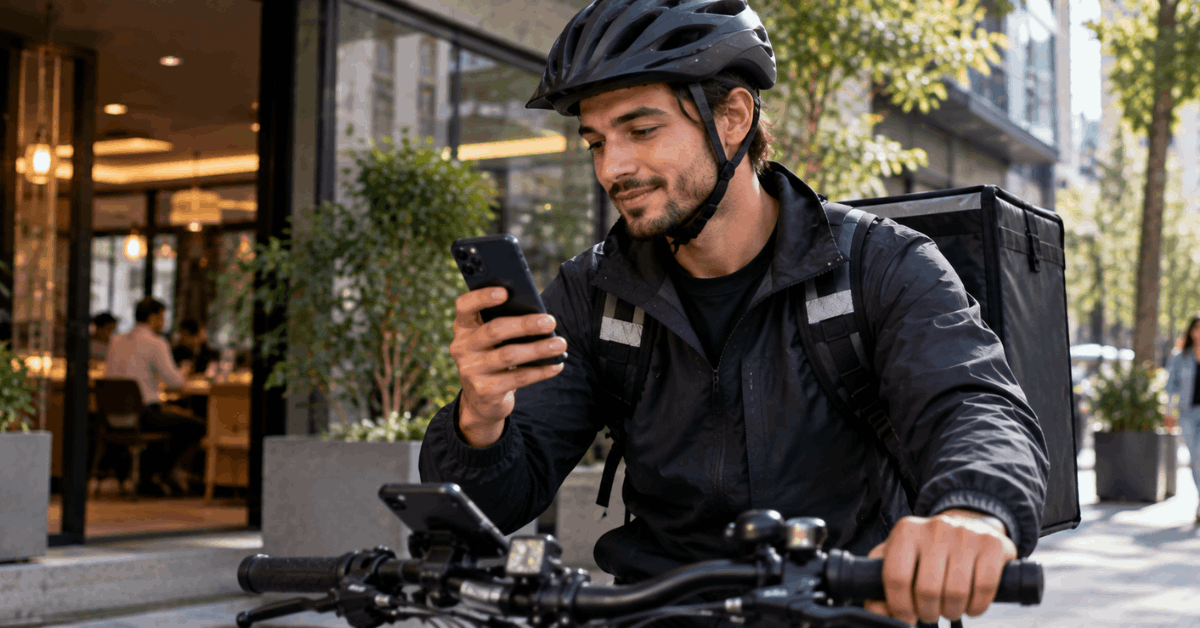
After approval, couriers download and configure the Uber Driver app. The app manages orders, navigation, and earnings. Learning the main app tools can make first deliveries smoother.
6. Collect or Order Delivery Equipment
A thermal delivery bag helps keep food secure during transport. Reflective clothing is useful for couriers working at night or in poor visibility. Proper delivery equipment can improve comfort and safety.
What to Expect: The Courier Experience in Spain
Delivery work involves navigation, time management, restaurant pickups, and customer interactions. Building local familiarity can make difficult routes easier.
Working Patterns and Peak Hours
Lunch and dinner periods usually generate more orders. Weekends, holidays, and late evenings can also bring stronger demand in some areas. Couriers often use these busy periods when seeking more delivery opportunities.
Order Acceptance and Ratings
Couriers may consider distance and payout before accepting an available order. Uber Eats also uses customer ratings and service feedback. Maintaining reliable service and avoiding repeated lateness or cancellations can support a better experience.
Tips for Maximizing Earnings with Uber Eats
Earnings can fluctuate with location, timing, weather, and demand. Small planning changes may help couriers use their working time more efficiently.
- Choose neighborhoods with several restaurants to reduce travel between orders.
- Prioritize peak hours when higher order volume is important.
- Maintain bicycles and scooters to prevent avoidable downtime.
- Carry a phone power bank and rain protection.
- Build courteous relationships with restaurants you visit regularly.
- Consider batch orders when they improve route efficiency.
- Keep water and a small snack available during longer delivery sessions.
- Use safe, legal parking or pickup points to avoid fines and delays.
Legal and Tax Factors Every Courier Should Know
Spain’s platform-work rules affect tax and legal responsibilities for couriers. Earnings should be reported correctly, and applicants should understand the obligations connected with their working arrangement.
Navigating Autónomo Status
Autónomo status involves social security contributions and tax responsibilities. Some work-related expenses may qualify for deductions when proper records are kept. Staying organized financially can make filing deadlines and documentation easier to manage.
Insurance and Accident Coverage
Motorbike and car couriers need suitable insurance for their delivery activity. Some workers also consider extra liability or accident protection depending on their circumstances. Reviewing insurance terms before starting can clarify what coverage applies.
Alternative Delivery Platforms and Mobility Options
Uber Eats is not the only delivery platform available in Spain. Glovo, Deliveroo in some regions, and Just Eat may provide alternatives, although services and working arrangements differ.
Bicycle, Scooter, or Car: What’s Ideal?
Bicycles can suit dense city centers where parking is difficult. Scooters may handle longer distances, while cars can be useful in some suburban areas. The best vehicle choice depends on traffic, distance, costs, and personal comfort.
Frequently Asked Questions About Uber Eats Applications in Spain
Applicants often have practical questions about language, approval, earnings, and work authorization. Individual circumstances can differ, so applicants should verify requirements that apply to them.
- Is fluency in Spanish required? Basic Spanish can make communication with restaurants and customers easier.
- How long does approval take? Processing times vary and may range from days to longer periods.
- Are earnings guaranteed? No, income depends on demand, hours, location, and competition.
- Can foreign students apply? Applicants need appropriate work authorization and must follow visa conditions.
Conclusion
Uber Eats courier work can offer flexible earning opportunities for people who meet the applicable requirements in Spain. Applicants should understand registration, taxes, equipment, insurance, and changing demand before starting.
Preparing documents and learning the app can make early deliveries easier to manage. Reviewing local requirements can also help couriers avoid unexpected problems during the application process.