Food delivery jobs across Europe are changing how people approach flexible work. This guide explains earning opportunities, requirements, and application steps for interested couriers.
It also covers major platforms, equipment, earnings, taxes, and worker responsibilities. Applicants can use these details to understand the delivery process before getting started and compare the most practical options available in their area.
Why Food Delivery Jobs Appeal to Applicants in Europe
More residents and newcomers consider food delivery because entry can feel relatively accessible. Flexible schedules, familiar brands, and steady customer demand give these delivery roles broad appeal.
Growing Market Demand
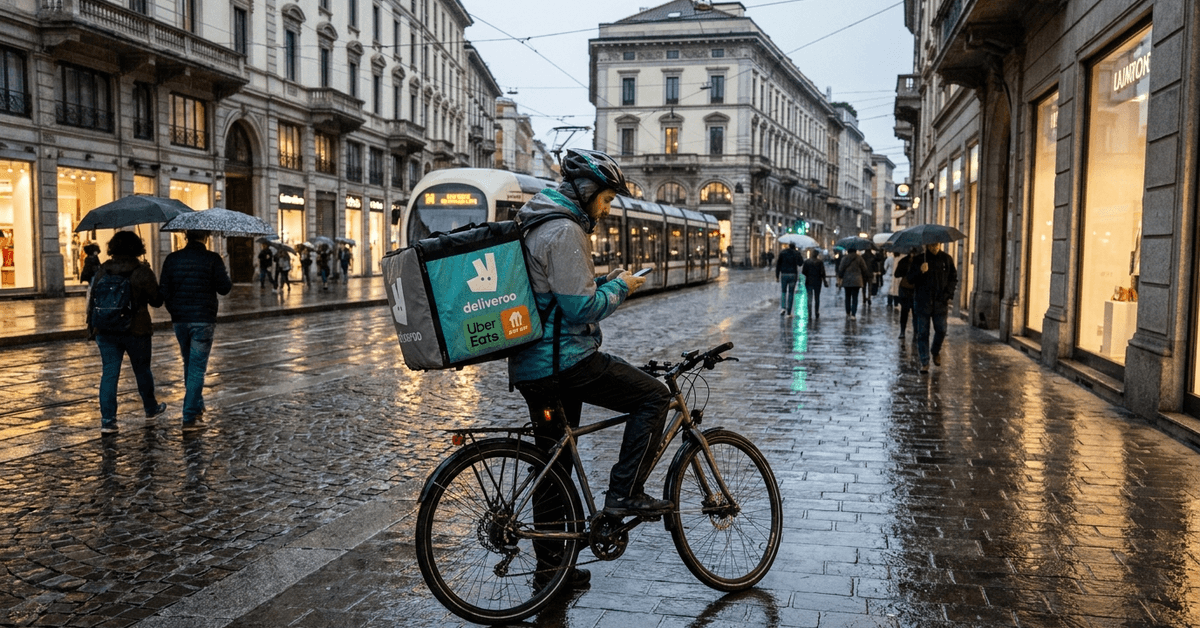
Online ordering has become common across many major European cities. Restaurants and customers depend on delivery platforms, creating ongoing need for reliable couriers throughout the year. Demand can fluctuate by season and location, but the sector remains active in many urban areas.
Flexible Working Hours
Food delivery gigs often allow couriers to work evenings, weekends, or selected days. This flexibility can suit students, part-time workers, and people balancing family responsibilities with other commitments.
Schedules still depend on platform rules and local demand, but autonomy remains an important attraction.
Inclusive Entry Requirements
Many delivery roles do not require years of experience or specialized professional qualifications. Applicants usually need basic documentation, legal work status, and a suitable vehicle when required.
This accessibility can help newcomers, career changers, and people seeking a relatively straightforward entry point.
How Food Delivery Jobs Work in Europe
Couriers collect prepared food from restaurants and deliver orders to customers through app-based systems. The work also involves route planning, order tracking, and customer communication during each delivery.
Platforms and Application Processes
Applicants generally begin by choosing available platforms and completing a digital application. Requirements may include identity documents, insurance records, or background checks, depending on location and platform policy.
Face-to-face interviews are uncommon, although onboarding procedures and approval times can still vary.
Tools and Equipment Needed
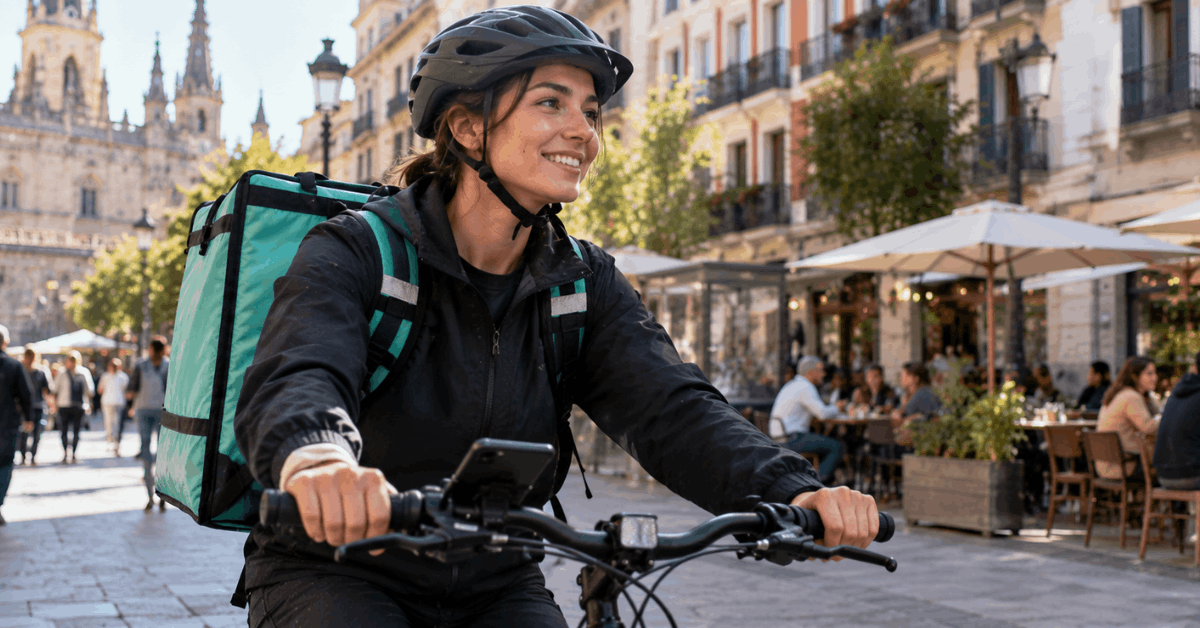
Reliable equipment helps couriers complete deliveries safely and efficiently. Cyclists may need helmets and insulated bags, while drivers may require vehicle records and local permits where applicable.
Some platforms supply starter equipment, while others expect couriers to arrange everything themselves.
Step-by-Step Guide for Applicants
The application process usually follows several practical stages from research to onboarding. Checking local rules early can reduce application delays and missing documentation.
1. Research the Leading Platforms in Your Region
Not every delivery platform operates in every European country or city. Checking official websites helps applicants compare current regional availability and requirements.
- Deliveroo
- Uber Eats
- Glovo
- Just Eat
2. Gather Required Documents
Documentation requirements vary by platform and country. Preparing the main records in advance can make the registration process smoother.
- Government-issued identification
- Work permit or residency documents for eligible non-citizens
- Vehicle documents when using a car, scooter, or moped
- Insurance information when required
- Criminal record documentation if requested locally
3. Choose Your Delivery Method
Delivery methods usually include bicycles, scooters, mopeds, or cars, depending on local rules. Central areas may favor bikes, while longer routes can make motorized transport more practical. Insurance, parking, traffic, running costs, and personal comfort should all influence the choice.
4. Submit Your Application
Most applications are completed online through the chosen platform. Applicants upload documents, provide contact details, and complete the required digital forms before review.
Response times vary, so checking email folders and application status pages can help avoid missed updates.
5. Complete Platform Onboarding
Onboarding may include safety instructions, app tutorials, equipment collection, or short online assessments. Some platforms provide group sessions, while others use self-guided training through videos and app materials.
Once the account is activated, couriers can usually begin accepting available delivery work according to platform rules.
Comparing the Top Food Delivery Platforms in Europe
Major platforms differ in coverage, payment systems, and working arrangements. Applicants should compare local conditions because rates and availability can change by city.
| Platform | Main Countries | Typical Earnings | Payout Frequency |
|---|---|---|---|
| Deliveroo | UK, France, Italy | €7–€12/hour | Weekly |
| Uber Eats | UK, Spain, Germany | €6–€11/hour | Weekly |
| Glovo | Spain, Portugal, Poland | €5–€10/hour | Weekly |
| Just Eat | Netherlands, UK | €8–€13/hour | Weekly/Biweekly |
These figures reflect general averages rather than guaranteed earnings. Actual pay can shift with regional demand, time of day, bonuses, weather, and individual delivery efficiency. Applicants should review the latest local terms before estimating possible income.
Tips to Maximize Earnings with Food Delivery Jobs
Earnings often depend on timing, efficiency, equipment, and local order volume. Small operational choices can improve working consistency across busy and quiet periods.
Work Strategic Hours
Lunch periods, weekend dinners, and busy evenings often produce more orders. Rain, sporting events, and local activity can also increase delivery demand in some areas. Results still vary, so couriers may need to test different schedules in their city.
Leverage Multiple Platforms
Some riders register with more than one delivery app where local rules allow it. Using multiple platforms can provide additional order opportunities when one service becomes quiet.
Managing several apps requires attention, however, especially when avoiding delays or overlapping commitments.
Keep Equipment in Good Shape
Reliable bicycles, scooters, and cars reduce the risk of unexpected breakdowns during busy periods. Regular checks on tires, brakes, batteries, lights, and delivery equipment can prevent avoidable interruptions. Maintenance costs should also be considered when estimating real take-home earnings.
Read Customer Reviews and Feedback
Positive customer interactions may support better ratings where platform systems use feedback. Clear communication, careful handling, and polite service can improve the customer experience during deliveries. Platform algorithms differ, so good feedback does not guarantee more orders or priority access.
Legal and Tax Considerations for Food Delivery Applicants
Many delivery arrangements involve freelance, contractor, or other locally defined working relationships. Couriers should understand tax obligations, registration rules, and reporting requirements in their country.
Insurance and Worker Protections
Some platforms require personal accident or liability insurance, while others provide limited coverage. Riders should review policy documents and identify any coverage gaps before beginning work. Worker protections vary across Europe, making local legal information especially important.
Visas and Work Permits
Non-European citizens may need valid visas, residence permissions, or work authorization before delivering. European Union nationals usually face simpler mobility rules, although local registration requirements can still apply.
Applicants should confirm legal eligibility through official national or municipal sources before accepting work.
Conclusion
Food delivery jobs can offer flexible work for applicants across many European cities. Requirements, earnings, and platform availability vary by country and location.
Careful research, complete documents, reliable equipment, and legal compliance can make the application process easier while supporting safer and more predictable day-to-day work routines overall. Comparing platforms before joining helps applicants choose a practical option for their circumstances.