
DPD jobs offer opportunities in delivery, warehouse, and logistics work. This guide explains roles, requirements, applications, pay, and workplace expectations.
It also covers training, challenges, and legal considerations. Understanding these details can make the DPD job search easier.
Why DPD Delivery and Warehouse Jobs Remain in High Demand
Parcel delivery supports demand for drivers and warehouse teams across the UK and Europe. People exploring DPD recruitment may find work in sorting, depot operations, and last-mile delivery.
Strong Presence Across Europe
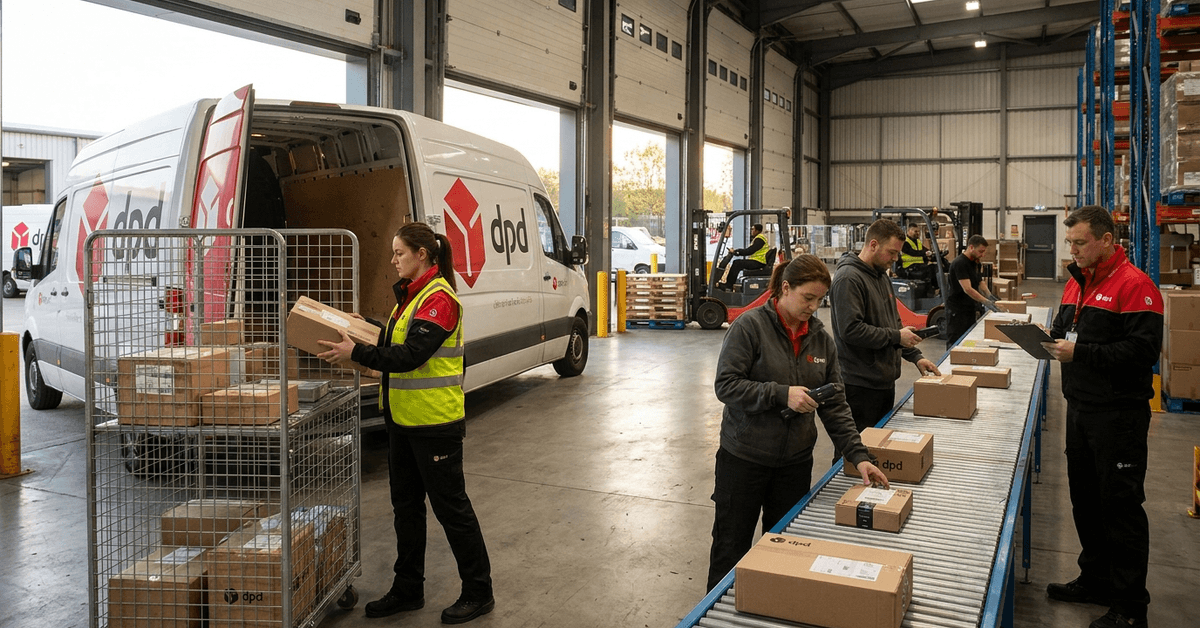
DPD operates within a large European parcel network. That broad logistics network can create vacancies in depots and delivery operations. Availability varies by region, depot, and demand.
Regular Shifts and Overtime Opportunities
Logistics operations often include early, late, weekend, or seasonal shifts. Busy periods may create additional working hours depending on staffing needs. Overtime is not guaranteed, so applicants should check each vacancy.
Pathways for Career Growth
Some employees move from operational roles into supervisory, training, driving, or specialist positions. DPD has supported routes between warehouse and driving work in the UK. Progression depends on performance, qualifications, and openings.
Types of DPD Jobs Available
DPD offers several roles across parcel delivery and depot operations. Each role type has different duties, schedules, and requirements.

- Delivery Drivers – Operate vehicles, follow routes, handle parcels, and interact with customers.
- Warehouse Operatives – Sort, scan, load, unload, and prepare parcels for dispatch.
- Team Leaders – Coordinate teams, oversee tasks, solve issues, and support new workers.
Minimum Requirements for Application
Requirements depend on the role, contract, and country. Candidates should review the specific job description before applying.
Requirements for Delivery Drivers
Driver vacancies can have different licence, vehicle, and work-status conditions. A DPD driver application should follow the requirements stated in the listing.
- A valid driving licence appropriate for the advertised vehicle
- Legal right to work in the relevant country
- Safe driving ability and willingness to learn routes
- Customer service skills for delivery interactions
Requirements for Warehouse Operatives
Warehouse work often involves physical activity and parcel handling. Applicants should consider whether they can meet the daily operational demands.
- Ability to handle repetitive lifting, moving, or sorting tasks
- Attention to detail when scanning and tracking parcels
- Legal right to work in the relevant country
- Flexibility for shifts, weekends, or peak periods when required
How to Find DPD Job Openings
The best starting point is the official careers channel for the relevant DPD business. Candidates who want to apply for DPD jobs can also use reputable job boards and agencies.
- DPD careers pages may list direct vacancies and driver opportunities.
- National job boards may show permanent, temporary, or seasonal openings.
- Staffing agencies may recruit for depots during busy periods.
Step-by-Step Application Process for DPD Roles
The hiring process differs between employed, agency, and self-employed delivery positions. Most candidates can expect several screening stages before starting.
1. Online Application and CV Submission
Start through the official careers website or channel named in the vacancy. Upload a tailored CV showing relevant driving, warehouse, customer service, or shift-work experience. Follow the listing because requirements can differ.
2. Assessment or Screening Call
Recruiters may review availability, experience, eligibility, and suitability. Some roles may include a short assessment or screening call. Candidates should answer accurately and clarify contract type and schedule.
3. Interview
Interviews may happen by phone, video, or on site. Recruiters assess reliability and teamwork alongside relevant experience. Applicants can prepare examples showing punctuality, safety, customer service, and problem-solving.
4. Right-to-Work Checks and References
Employers or agencies may request identification and proof of permission to work. Previous references may also form part of the verification process. Preparing documents early can reduce delays.
5. Driver Assessment
Driving roles may require licence checks, road assessments, or onboarding. Safe vehicle handling, route awareness, and professional customer interaction can matter. Requirements depend on whether the role is employed, self-employed, or contracted.
Documents and Checks You Might Need
Paperwork depends on the vacancy and contract. Preparing common documents early can make recruitment smoother.
- Valid driving licence for driving positions
- Proof of address or identification when requested
- National Insurance or equivalent employment information where applicable
- Right-to-work documentation when required
- Employment references or qualification evidence when requested
Tips to Strengthen Your Application
Relevant experience helps, but recruiters may value reliability, organization, and flexibility. Showing practical logistics skills can strengthen an application.
- Tailor your CV to time management, teamwork, safety, and reliability.
- Mention experience using navigation tools or suitable vehicles.
- Include language skills that support customer communication.
- Highlight shift-work experience or flexible availability.
How to Prepare for the Job After Hire
Starting well involves understanding depot procedures, safety, and responsibilities. People considering working at DPD should use onboarding to learn their site.
Onboarding and Training
New starters may receive induction covering systems, safety, and procedures. Warehouse staff may learn scanning and sorting, while drivers may receive route or vehicle training. Training varies by job and location.
Uniforms and Equipment
Required clothing and equipment depend on the position and contract. Some employees receive workplace safety equipment, while contracted drivers may differ. Applicants should confirm what is provided before starting.
Health and Safety Briefings
Delivery and warehouse work can involve lifting, vehicles, repetitive tasks, and busy environments. Following safety procedures helps reduce workplace risks. Workers should understand reporting processes and ask questions when instructions are unclear.
Typical Earning Potential at DPD
Pay varies by role, location, status, and contract. Candidates should review current vacancy pay rather than old averages.
Average Pay for Delivery Drivers
DPD UK advertises driver arrangements with different earning structures. Employed drivers, owner drivers, and local courier options have different pay models. Applicants should compare earnings with tax, insurance, vehicle costs, and benefits.
Average Pay for Warehouse Operatives
Warehouse pay depends on depot, shift pattern, contract, and vacancy. Night, weekend, or seasonal work may use different rates. Current advertisements provide the most relevant figure for each position.
Common Challenges and How to Handle Them
Parcel volumes, difficult routes, workloads, and deadlines can make shifts demanding. Good communication and planning can help workers manage busy days. Following procedures and seeking guidance can reduce problems.
Legal and Tax Considerations for Applicants
Employment status affects tax, insurance, and benefits. Candidates should understand the contract arrangement before accepting work.
Some driver opportunities operate on a self-employed basis, while many depot roles are standard employment. Keep pay and contract records and use official government guidance when tax or employment-status questions arise.
Conclusion
DPD offers delivery, warehouse, supervisory, and logistics opportunities across its network. Understanding role requirements helps candidates prepare stronger applications and realistic expectations.
Pay, schedules, contracts, and hiring steps vary by location and position. Checking official listings provides the most reliable information before applying.