
Food stamps help eligible U.S. households cover grocery costs. This guide explains SNAP eligibility, benefits, applications, and ongoing requirements.
It also covers common questions and required documents. The goal is to provide clear guidance for understanding the process.
What Are Food Stamps and Who Qualifies?
Food stamps, officially called the Supplemental Nutrition Assistance Program, provide monthly grocery assistance through SNAP benefits.
Eligibility commonly depends on household income, household size, allowable expenses, residency, and other program rules that state agencies use when reviewing applications.
Income Guidelines for 2024
Eligibility generally considers household income before taxes, with limits varying according to household size. A single applicant usually faces a lower limit than a family of four.
States may apply specific rules within federal guidelines, so checking current state requirements remains important before estimating whether a household might qualify.
Residency and Citizenship
Applicants generally must live in the state where they apply and provide required identification information. U.S. citizens can qualify, while some eligible non-citizens, including refugees and certain lawful permanent residents, may also qualify.

Because immigration and residency rules can be detailed, reviewing official guidance can help clarify individual circumstances.
Key Food Stamp Benefits
SNAP is designed to provide grocery assistance to qualifying households, including working families, seniors, and people with disabilities.
Benefits can reduce food costs and provide more room in a monthly household budget for other necessary expenses, including housing, utilities, transportation, or healthcare needs.
Where Benefits Can Be Used
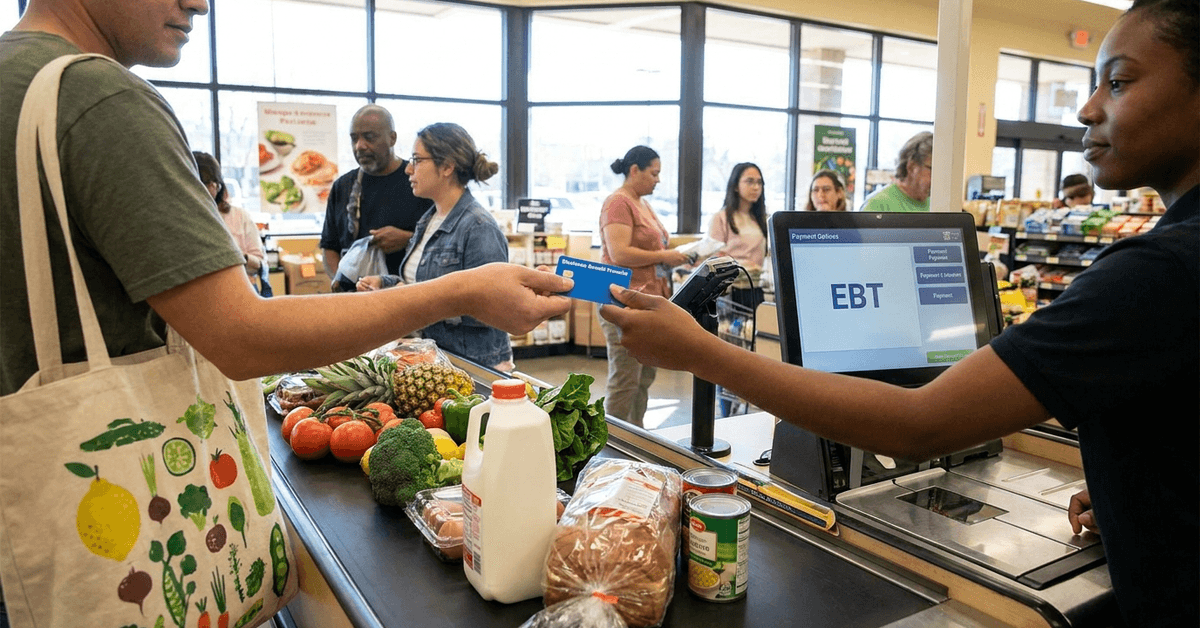
SNAP benefits are generally accessed through an Electronic Benefit Transfer card. EBT cards are accepted at many supermarkets, farmers’ markets, and eligible online retailers in participating states.
This payment flexibility allows recipients to use benefits through several approved shopping channels.
Types of Foods Covered
SNAP covers many everyday grocery items, including produce, meat, dairy products, grains, seeds, and food-producing plants.
Hot prepared foods or products intended for immediate consumption inside a store are generally excluded. The program focuses on eligible food purchases for household use.
Monthly Benefit Amounts
A household’s benefit amount depends largely on income, expenses, and household composition. In 2024, a one-person household could receive up to $291 monthly, while larger households could qualify for more. These benefit amounts may change through annual cost-of-living adjustments.
How to Apply Online for Food Stamps
Most states provide online systems that make SNAP applications accessible from computers, tablets, or smartphones. Processing times vary, and applicants may need to provide documents, answer follow-up questions, or complete an interview before receiving a final decision.
Basic Application Steps
Preparing documents before starting can make the application process easier and reduce avoidable delays. Applicants should use their state’s official government portal and provide accurate information.
- Gather photo identification, recent pay stubs, and proof of expenses such as rent or qualifying medical costs.
- Visit your state’s official SNAP website or portal and locate the online application.
- Complete the form carefully and provide all requested household and financial information.
- Complete an interview if required, which is often conducted by telephone.
- If approved, follow the instructions provided for receiving and activating the EBT card.
Tips for a Smooth Application
Good organization can help applicants respond quickly when the agency requests additional information. Keeping copies of submitted documents and checking application messages regularly may help prevent unnecessary delays.
- Save scanned copies or clear photos of important documents.
- Check email, mail, or the online portal regularly for updates.
- Respond promptly when the agency asks for clarification or additional documentation.
- Seek free assistance from community organizations or official resources if you need help understanding the process.
Common Questions About SNAP Benefits
Applicants often have practical questions about work, students, immigration status, and eligibility. Understanding these topics can help households avoid assumptions about who may or may not qualify under the rules that apply in their state.
Does Applying for Food Stamps Affect Immigration Status?
Immigration rules surrounding public benefits can be complicated and depend on individual circumstances. In general, receiving SNAP assistance does not affect the immigration status of most eligible applicants in the way some people fear.
Non-citizens with questions should review trusted government information or seek qualified legal guidance when necessary.
Can Students Get SNAP?
Some college students can qualify for SNAP when they meet specific exemptions or eligibility conditions. These may include working enough hours, caring for dependents, or participating in certain employment or training programs.
Student rules are more specific than general eligibility requirements, so applicants should check the applicable criteria.
Does Having a Job Make Someone Ineligible?
Having a job does not automatically make someone ineligible for SNAP. Many recipients work while receiving benefits because qualification is based primarily on household finances and other eligibility factors.
A working household may still qualify when its income and circumstances fall within applicable program rules.
Staying Compliant: Ongoing Rules and Recertification
Recipients must continue meeting program requirements after approval and should report certain household changes when required.
Recertification commonly occurs periodically, and the exact schedule depends on the household, case circumstances, and state rules provided by the administering agency.
Reporting Changes
Recipients may need to report changes involving income, household members, address, or other information.
Reporting deadlines and requirements differ, so households should follow instructions from their state agency. Keeping current information on file can reduce interruptions or problems with benefits.
Recertification Process
SNAP eligibility must be reviewed periodically to confirm continued qualification. Recipients generally submit updated financial and household information and may need another interview.
Completing recertification requirements on time can help prevent benefits from ending unexpectedly.
Fraud Prevention and Safe Use
SNAP benefits must be used only for approved purchases and according to program rules. Selling benefits, exchanging an EBT card for cash, or intentionally providing false information can lead to serious consequences.
Official SNAP resources explain proper benefit use, recipient responsibilities, and current program information.
Conclusion
SNAP provides important food assistance to eligible households that need help covering grocery expenses. Understanding eligibility, application steps, and reporting rules can make the process easier to manage.
Applicants should always check official information because requirements and benefit amounts may change over time. Keeping accurate records and responding to agency requests promptly can help avoid unnecessary delays or interruptions in benefits.