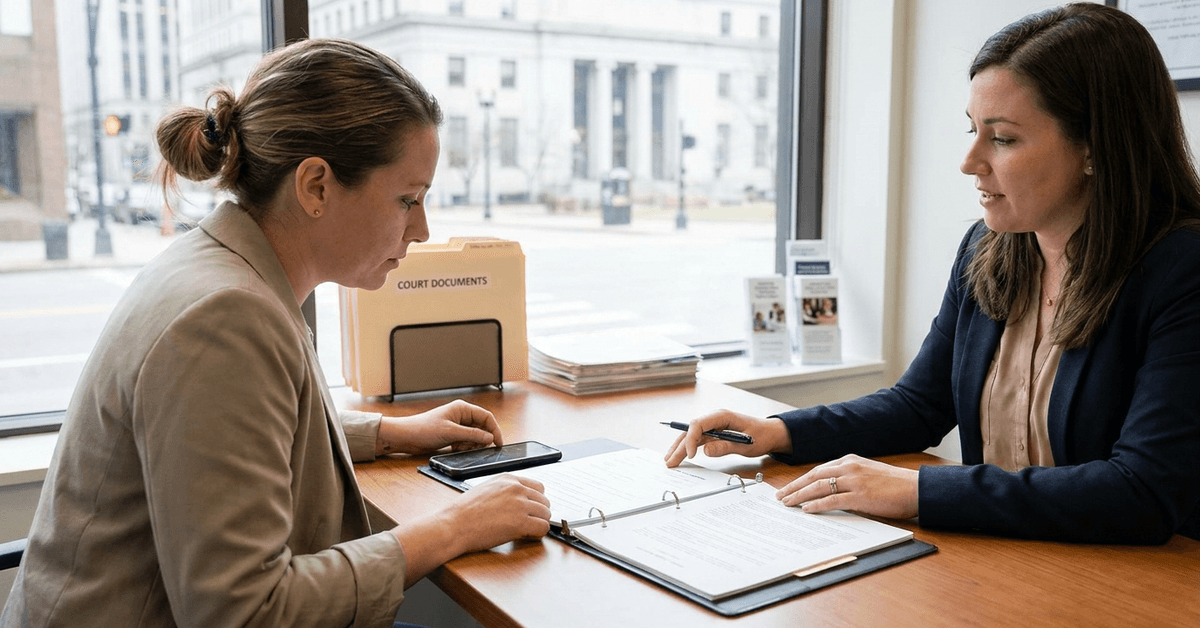
Japan’s manufacturing and logistics sectors attract workers from many backgrounds. This guide explains factory roles, eligibility, visas, applications, wages, and workplace expectations. It also covers job-search resources, common duties, and legal responsibilities.
Readers can use these details to understand how factory and packing employment in Japan typically works across different regions, employers, contract types, and production settings for both short-term and longer-term employment plans.
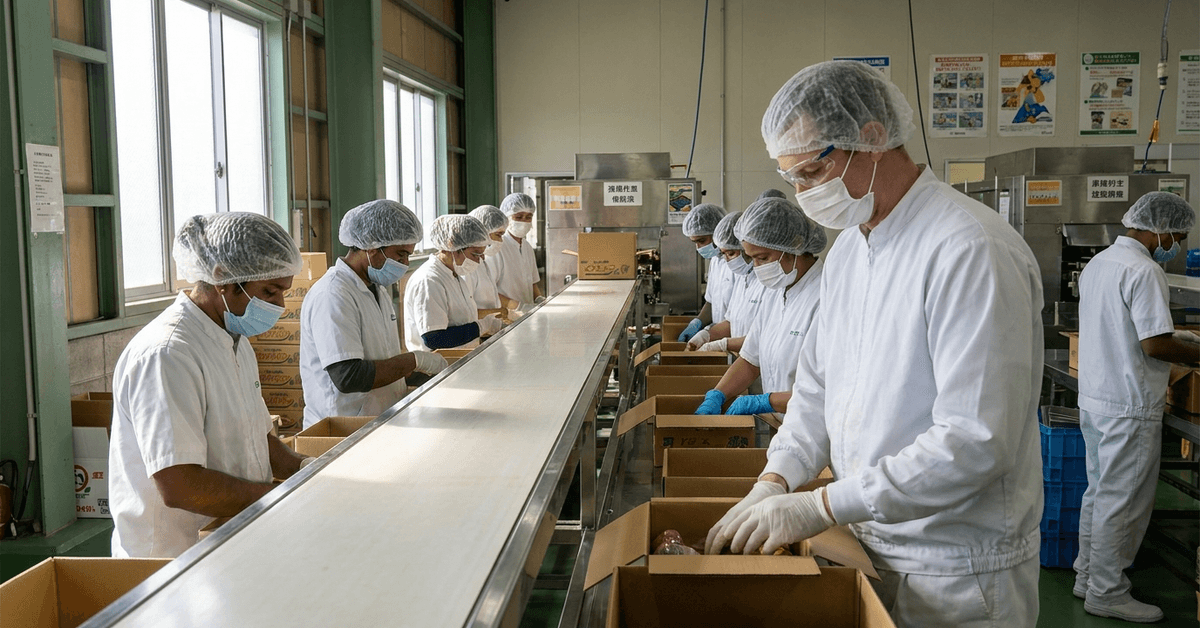
Overview of Factory and Packing Jobs in Japan
Manufacturing plants and warehouses operate across Japan, including major industrial areas around Nagoya, Osaka, and Saitama.
Available work includes assembly, sorting, inspection, packing, machine assistance, and other production tasks across food, electronics, automotive, and distribution businesses.
Why These Jobs Are Popular for Foreigners
Many foreign workers consider factory roles because some positions have accessible entry requirements.
Employers may value reliability, shift availability, and practical ability more than academic credentials. These roles can provide hands-on experience and a structured introduction to Japanese workplaces.
Eligibility and Basic Requirements
Requirements vary by employer, industry, and residence status. Applicants generally need legal authorization to work, suitable health for the role, and the ability to follow safety instructions throughout scheduled shifts and training.

Visa Types for Job Seekers
The Specified Skilled Worker pathway covers eligible industrial product manufacturing work when applicants meet the applicable skills and language standards.
Other residence statuses, including student, dependent, or working holiday status, may permit certain work within their legal conditions.
Full-time factory employment must match the worker’s authorized status, so current immigration rules should be checked before accepting a position.
What About Language Ability?
Japanese ability helps workers understand instructions, safety notices, schedules, and communication on the production floor.
Some employers provide multilingual support or bilingual supervisors, particularly where foreign staff are common. Even basic workplace Japanese can make daily routines easier and support smoother communication with coworkers.
Finding Factory and Packing Job Openings
Job seekers can use online boards, recruitment agencies, employer career pages, and public employment services.
People researching packing jobs Japan opportunities should compare job conditions carefully before applying because pay, location, housing, shifts, and visa support vary widely.
Major Online Job Boards
Several websites list openings for foreign residents and international applicants. Filters for language, location, visa status, and employment type can narrow the search.
- GaijinPot Jobs: Listings aimed at foreign job seekers in Japan, including manufacturing and logistics roles
- Jobs in Japan: English-friendly listings covering entry-level and experienced positions
- Indeed Japan: A large search platform with warehouse, production, packing, and logistics vacancies
Recruitment Agencies Specializing in Manufacturing
Recruitment companies can connect workers with factories, warehouses, and production employers. Applicants should confirm agency fees, contract terms, employer details, and visa support before accepting placement.
- Nikkei Staff: Manufacturing support for Japanese and overseas applicants
- Outsourcing Inc.: Placement services for Technical Intern and SSW-related manufacturing roles
- Global Human Resource: Application, training, and placement support for manufacturing opportunities
Application Steps for International Applicants
The usual process includes finding a vacancy, sending application documents, completing screening, and attending an interview with the employer or recruitment agency handling the placement.
Anyone preparing to apply for warehouse jobs Japan listings should organize accurate documents and confirm that the position matches their residence status.
Resume and Application Documents
Japanese employers may request a rirekisho, work-history document, identification, and residence-status information.
A clear Japanese resume should list education, employment, contact details, language ability, and relevant certifications. Some recruiters help applicants check documents before forwarding them to employers.
Interviews and Skills Testing
Factory interviews often focus on availability, reliability, physical readiness, safety awareness, and willingness to follow procedures.
Employers may include a simple skills test or workplace assessment depending on the job. Arriving on time and answering clearly can create a positive impression even when the applicant has limited industry experience.
Common Roles and Day-to-Day Work
Typical roles include sorting products, packing orders, inspecting quality, labeling goods, assembling parts, preparing shipments, and supporting machines.
Factory work Japan for foreigners can vary considerably between food production, electronics, automotive suppliers, and logistics facilities.
Wages and Benefits
Hourly wages usually fall between ¥950 and ¥1,300 depending on region, employer, and shift. Night work and overtime often pay more, while benefits may include social insurance, paid leave, or dormitory accommodation. Packages vary by company, so bonuses, housing support, and other extras are not guaranteed.
What to Expect from the Work Environment
Japanese factories often emphasize quality, punctuality, safety, and standardized procedures. Workers may spend long periods standing, repeat the same movements, or handle production targets during busy shifts.
Training normally covers equipment, emergency procedures, protective gear, and task-specific rules. Teamwork is important, and new staff may need time to adjust to workplace routines and communication styles.
Tips to Improve Your Chances of Success
Preparation can make finding packing work in Japan easier and reduce problems after hiring. These practical steps help applicants compare opportunities and prepare for daily work.
- Study basic Japanese phrases used for safety, numbers, directions, and workplace communication
- Prepare identification, residence-status information, and employment documents before applying
- Use recruiters or agencies experienced with international workers when additional support is useful
- Confirm wages, overtime rules, housing deductions, transportation, and shift schedules before signing
- Mention flexibility for night, weekend, or rotating shifts when genuinely available
Potential Downsides and Realities
Factory and packing work can be physically tiring, repetitive, noisy, or demanding during peak production. Contract limits, rotating duties, and unfamiliar workplace customs can create adjustment challenges. Reviewing the job description and employment contract carefully can help applicants understand these realities before accepting work.
Legal and Tax Matters for Foreign Workers
Foreign workers must stay within the employment permissions attached to their residence status; income earned in Japan is subject to tax and insurance rules, while eligible employees may also participate in health insurance, pension, and employment insurance systems.
Working outside authorized conditions can create immigration problems, so applicants should verify their status before beginning employment; employers, municipal offices, labor authorities, and immigration resources can provide official guidance when questions arise.
Support Resources and Where to Ask for Help
Public employment offices, immigration services, labor consultation centers, JICA, and nonprofit organizations provide multilingual information.
Foreign workers can seek help with contracts, wages, workplace safety, residence status, or unfair treatment. Using official support is safer than relying only on informal advice.
Conclusion
Factory and packing roles can offer practical employment opportunities for foreign workers who meet Japan’s legal and workplace requirements. Visa status, wages, language needs, and working conditions should be checked before accepting any position.
Reliable job boards, recruiters, and official resources can make the application process clearer. Careful preparation helps applicants choose roles that match their skills, goals, and authorized work status.