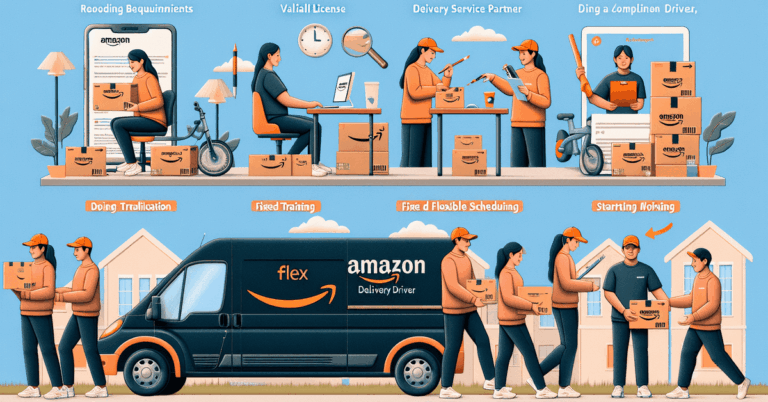
With the rise of the gig economy, flexible side jobs are rapidly gaining traction. Amazon Flex stands out for those interested in boosting income while managing their own schedule.
This guide is intended for those curious about how to start with Amazon Flex, what to expect, and how to approach the application.
Readers hoping for extra earnings, adaptable hours, and low barriers to entry may find this information valuable.
Understanding Amazon Flex and Its Appeal
Amazon Flex is a delivery program where independent contractors help Amazon deliver packages. It is available in select regions and often appeals to those seeking supplemental income or between jobs.
For some, it’s appealing due to its clear structure—drivers can choose when and how much to work. There’s no long-term commitment, and almost anyone with a car and a smartphone might qualify, making it quite accessible.
Why Consider Amazon Flex?
Flexible Scheduling
One of the strongest reasons people turn to Amazon Flex is its flexibility. Blocks—scheduled delivery periods—can easily be selected via the app.
This system permits working parents, students, or anyone needing customizable hours to consider giving it a try.

Transparent Pay Structure
Most delivery drivers are interested in clear, predictable payouts. Amazon Flex tends to publish a minimum payout for each delivery block upfront.
While earnings can fluctuate based on location or demand, many find this system straightforward and fair.
No Boss, No Office
Those who dislike rigid environments often prefer working without direct oversight. Amazon Flex drivers are independent, not employees, which brings autonomy but also some uncertainties.

Requirements: What You Need Before Applying
Applications to Amazon Flex are subject to fairly straightforward requirements. Before considering this path, prospective drivers might need to pay attention to several eligibility criteria.
- Age and Documents: Applicants generally must be at least 21 years old and provide a valid driver’s license.
- Smartphone: The Amazon Flex app operates on Android and iOS devices meeting certain operating system requirements.
- Vehicle: Most deliveries ask for a mid-sized sedan, SUV, or larger. Smaller cars, motorcycles, or bikes are usually not eligible.
- Background Check: Amazon conducts a background screening looking for major traffic violations or criminal records. Some may feel apprehensive about this, though for many it’s a routine step.
- Auto Insurance: Valid auto insurance is necessary. Policies must typically comply with local and state laws.
Step-by-Step: Starting Your Amazon Flex Application
Create or Log Into Your Amazon Account
If you’re not already an Amazon user, the first step might seem obvious: create an account. Amazon Flex requires this for application tracking and communication purposes.
Download the Amazon Flex App
The official app is central to the application process. It is distributed via the App Store or Google Play in supported regions. Installing and ensuring compatibility is a practical early step.
Check Region Availability
Not all cities have Amazon Flex opportunities. Applicants sometimes discover midway that there are no immediate openings in their area. A quick check in the app allows for clarity, though some may be placed on a waiting list.
Submit Required Information
- Upload a valid driver’s license.
- Enter your vehicle type and insurance details.
- Consent to a background check. This could take anywhere from a few days to a few weeks, occasionally longer if backlogs develop.
Understand the Independent Contractor Agreement
Unlike traditional hires, Flex operators must agree to Amazon’s independent contractor terms. That means handling your own taxes and expenses. Some might read through quickly, but careful review is usually recommended.
Tips for Improving Your Chances
The selection for Amazon Flex can sometimes feel competitive. Below are several tips that applicants may consider if aiming to stand out or avoid common pitfalls:
- Ensure that all identification and insurance documents are current and legible before uploading.
- If placed on a waiting list, checking the app regularly for openings can help speed things along.
- Maintain a clean driving record if feasible. Past accidents or violations may impede acceptance.
- Some locations have higher demand in certain seasons—winter holidays, for example—so timing an application might impact speed of onboarding.
What Happens After You’re Accepted?
After a successful background check, more steps follow before starting deliveries:
- App Orientation: Amazon provides short training modules within the app. These might take some patience but are straightforward and interactive.
- Block Scheduling: Accepted drivers can browse available time windows. The early bird often gets more choices, but blocks can open up at different times of day.
- Pick-up and Delivery Guidelines: The app covers essential procedures for collecting packages at designated sites and handling various delivery scenarios.
Common Issues and Drawbacks to Weigh
Income Fluctuations
While pay rates are stated before each block, the number of available shifts and tips received can vary. Some weeks are busier, others might feel disappointingly slow.
Wear and Tear
Using your own vehicle for frequent deliveries might lead to maintenance costs. Factor in fuel, repairs, and insurance increases. This is one of those drawbacks people sometimes recognize only after several weeks.
Tax and Legal Headaches
Independent contractor status means self-employment taxes and potential complexities at tax time. It’s typically wise to save a portion of each payout for tax purposes, though many don’t think to do this at first.
Legal and Tax Considerations for Amazon Flex Drivers
Self-employed contractors often have more administrative responsibility. Potential drivers might consider:
- Tracking all expenses (fuel, vehicle maintenance, insurance)
- Estimating quarterly tax payments to avoid penalties
- Using reputable tax preparation software or consulting a local accountant
- Understanding local labor regulations (in some cities, rules are evolving for gig workers)
For deeper legal questions, Amazon provides some resources within its Flex portal. It’s not a bad idea to cross-check details against regional or national gig economy guidelines.
Best Practices for Earning More with Amazon Flex
Choose High-Demand Blocks
Certain blocks, such as evenings or weekends, usually see greater demand—and sometimes higher pay. It’s not always possible to predict, but watching trends over a few weeks helps.
Optimize Routes and Delivery Habits
Some drivers use third-party navigation apps alongside Amazon’s tools for the most efficient routes. Saving a few minutes per stop may add up over time.
Track Expenses Rigorously
Maintaining organized records helps when it’s time to file taxes and also paints a clearer picture of actual profits.
Alternatives and Complementary Gig Options
While Amazon Flex can be a rewarding path for many, it often complements rather than replaces a primary income source.
Other gig apps—delivery or ride-share—may offer additional opportunities if Amazon Flex blocks are scarce. Exploring these in tandem might cushion income dips.
Conclusion
Amazon Flex offers a flexible way to earn income with control over your schedule. Its simple application process and low entry barriers make it accessible for many applicants.
However, costs like fuel, maintenance, and taxes should be carefully considered. Consistent planning and smart scheduling can help improve overall earnings. Overall, it is a practical option for those seeking flexible, independent work opportunities.