Amazon delivery jobs have become a popular way to earn steady income with flexible hours. This article is designed for anyone interested in working as an Amazon delivery driver but unsure of the steps involved.
If you’re seeking honest insights, practical tips, and a clear process to follow, this guide could be just what you need.
Understanding Amazon Delivery Jobs
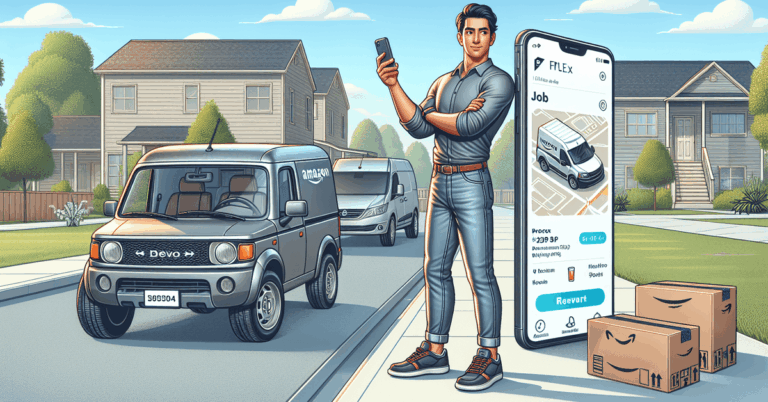
The term “Amazon delivery jobs” can refer to several roles, but the focus here is on becoming an Amazon Delivery Service Partner (DSP) driver or an Amazon Flex driver.
There are advantages to each, but both involve delivering packages to homes and businesses using Amazon-approved methods.
Amazon DSP vs. Amazon Flex
- Amazon DSP: You’d work for an independent company that partners with Amazon, driving vans and delivering packages on fixed routes.
- Amazon Flex: It’s more of a gig-style job using your personal vehicle, choosing delivery blocks via an app when you’re available.
Step-by-Step Guide to the Amazon Delivery Hiring Process
The hiring process has several stages. It isn’t especially complicated, but there are steps that can take a bit of time. Here’s a rundown to clarify what’s actually involved.
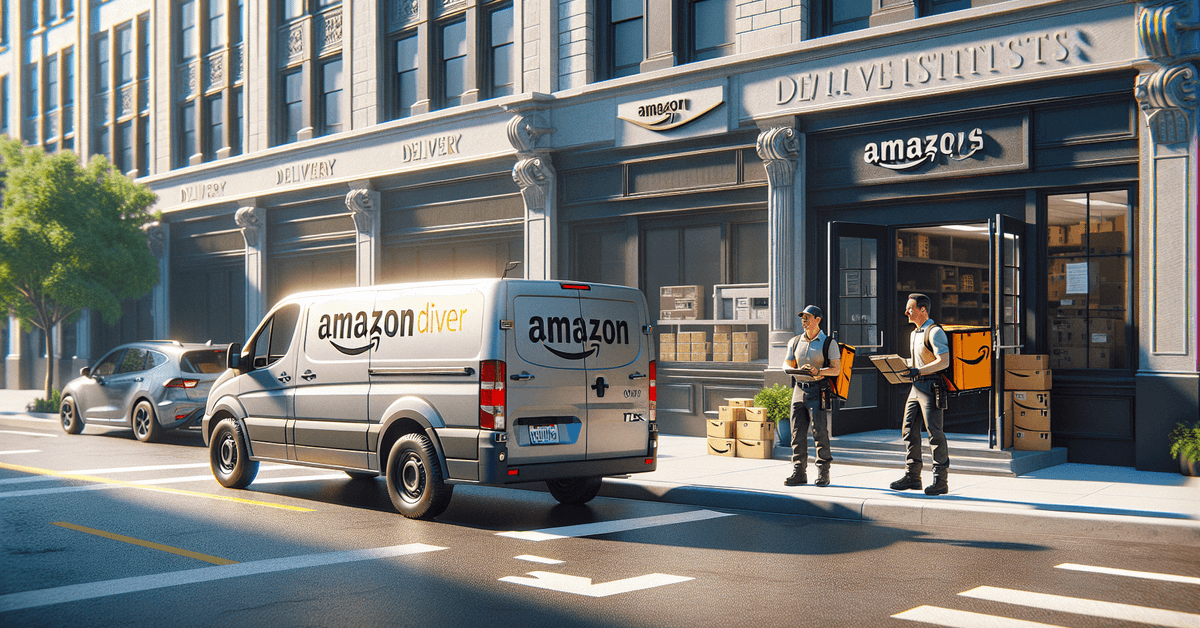
Step 1: Meet the Basic Requirements
- Minimum age: Usually 21 for DSPs, 18 for Flex
- Hold a valid driver’s license, clean driving record
- For Flex, own a qualifying vehicle (mid-sized sedan or larger, depending on the region)
- No recent criminal convictions; background check required
- Physical ability to lift at least 50 lbs repeatedly
Step 2: Application Process
Applications for DSP jobs are usually handled through Amazon’s careers portal or directly via local DSP job postings. Amazon Flex uses a dedicated app that walks you through the setup process.
- Use the Amazon Jobs portal for DSP roles
- Download the Amazon Flex app from the App Store or Google Play for gig-based delivery
- Complete your profile, including personal details and documentation
Step 3: Background Check and Screening
This part can take a few days. The background check verifies your criminal and driving history. Although this process can sometimes create anxiety, it’s a standard, automated step for any job where you’re handling packages and operating a vehicle.
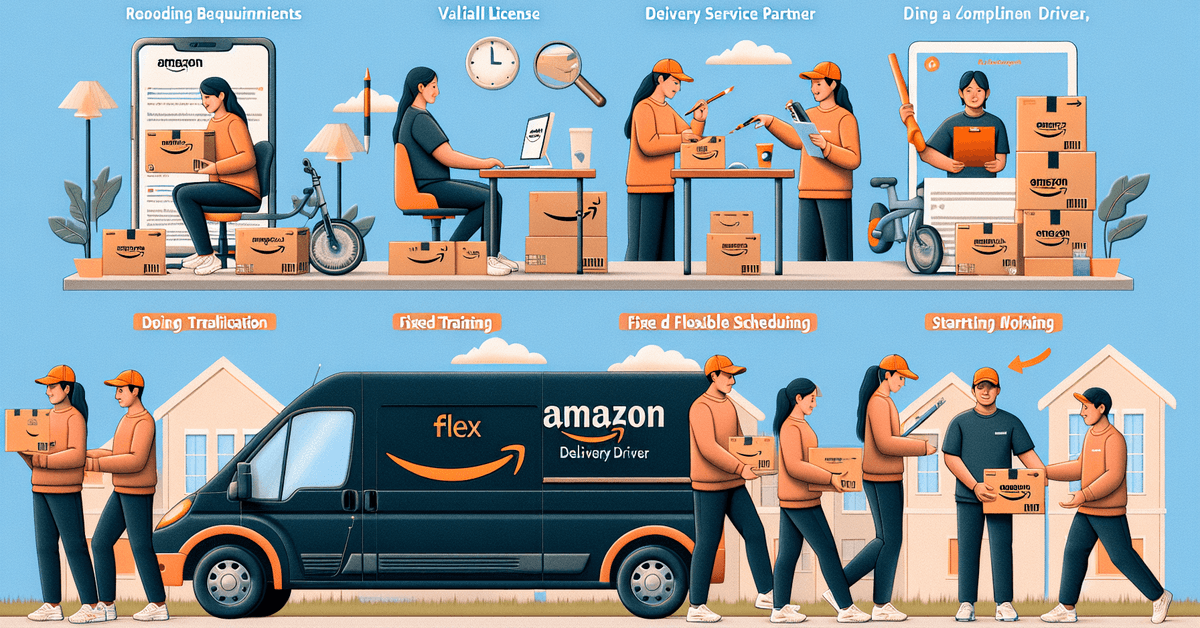
Step 4: Interview or Virtual Onboarding
- For DSP jobs: There may be a brief interview or group session
- For Flex: Most onboarding is online, through tutorials in the app
Step 5: Training and Orientation
- DSP drivers generally complete a few days of paid, in-person training
- Flex drivers follow app-based training modules on rules, safe driving, and package scanning
Step 6: Getting on the Road
Once approved and trained, you’ll receive your schedule (DSP) or select delivery blocks (Flex). The first day might feel overwhelming, but most people find the systems are easy to learn after a few shifts—maybe not instantly, but surprisingly quickly.
Why Amazon Delivery Jobs Attract So Many Applicants
Many people like Amazon delivery jobs for several reasons. The earning potential is decent and pay arrives reliably. There’s also the appeal of a flexible or semi-flexible schedule.
Strong Demand for Drivers
With the rise of e-commerce, the need for reliable delivery personnel is unlikely to decrease anytime soon. Amazon needs drivers in nearly every urban and suburban area.
Predictable, Steady Pay
Amazon DSP drivers are paid hourly—in most areas, this is above minimum wage, and there could be overtime or performance bonuses.
Flex pay may vary based on block length and location, but rates are competitive—sometimes higher during peak demand.
Minimal Experience Needed
A lot of applicants don’t have delivery experience. That’s okay. As long as you meet the basic requirements and are comfortable driving, you’ll be trained on the rest. It can seem daunting, but the onboarding is quite supportive.
Tips to Succeed as an Amazon Delivery Driver
While the job itself is straightforward, there are a few tried-and-true suggestions that might help you stand out, enjoy the work, or maximize your income.
Pace Yourself on Busy Days
Especially in the first weeks, don’t try to rush. It’s more efficient in the long run to develop your own rhythm, focusing on accuracy over speed at first.
Familiarize Yourself with the Tech
Whether it’s the Flex app or the DSP’s delivery scanner, practice helps. Most missteps happen with unfamiliar software rather than the deliveries themselves.
Dress for the Job
Weather-appropriate gear and good shoes matter more than you’d think. In regions with changing seasons or unpredictable rain, this can make the job much more tolerable.
Keep an Eye Out for Bonuses
Sometimes, both Flex and DSP roles offer limited-time bonuses based on high-demand periods. This can make a big difference if they line up with your schedule.
Be Ready for Physical Demands
The packages range from light envelopes to heavier boxes. Taking care to stretch and use safe lifting techniques helps avoid strains and exhaustion.
Common Questions about Amazon Delivery Jobs
Several topics come up frequently from those thinking about applying. Here are a few that, in my experience, almost everyone asks at some point.
What Type of Vehicle Is Needed?
For DSP, Amazon supplies the van. For Flex, a mid-sized sedan, SUV, or larger vehicle is required—check your city’s Flex FAQ for specifics. A clean and presentable car is best.
How Are Schedules Assigned?
DSP drivers generally have fixed shifts, sometimes including weekends or evenings. Flex drivers select available time blocks in the app, so the arrangement is more on-demand and self-controlled.
Are Drivers Considered Employees or Contractors?
DSP drivers are employees of their delivery partner company. Flex drivers are independent contractors, which means different tax and benefit implications.
Legal and Tax Considerations
It’s important to understand your legal and tax responsibilities, especially for Flex drivers. Since you’re technically self-employed, keeping accurate records and planning for quarterly tax payments is suggested. There could also be requirements regarding business insurance, depending on your area.
Employee Benefits for DSP Drivers
Most DSP employers provide basic benefits like health insurance, paid time off, and overtime pay, but the specifics vary by contractor and region. Double-check with your prospective employer for the details.
Tax Tips for Flex Drivers
- Set aside a portion of each payout for taxes
- Track mileage, vehicle expenses, and eligible deductions
- Consider using tax prep services familiar with gig economy work
Conclusion
Amazon delivery jobs offer flexible opportunities with steady demand and accessible entry requirements. Both DSP and Flex roles provide different advantages depending on preferred work style.
While the job can be physically demanding, proper preparation helps improve efficiency and comfort. Understanding schedules, pay structure, and responsibilities is key before applying. Overall, it is a practical option for those seeking flexible income and hands-on work experience.