
Exploring employment opportunities at Irving Oil offers more than just a regular job; it’s a pathway to a stable career in the energy sector.
This article targets job seekers who wish to join a reputable company in Canada or the US, hoping to gain insights into a straightforward, secure application process with lasting career potential.
Whether someone is considering a first job or seeking a switch to a major employer, Irving Oil stands out.
The company is often praised for its devotion to workplace safety, professional growth, and corporate responsibility—advantages that appeal to a broad range of candidates.
By the end of this guide, readers will know how the recruitment process works, what roles may suit their goals, and the critical steps to prepare a strong application for Irving Oil.
This isn’t just about landing any job, but about making informed decisions with higher odds of success in today’s energy industry.
Why Consider a Career at Irving Oil?
For many individuals considering a position in the energy sector, the first question is often about the company’s reputation and long-term prospects.
Irving Oil has a history rooted in Atlantic Canada, but it extends its impact across North America. The company employs thousands, offering a range of positions from entry-level to highly technical.
Security is another hallmark of the brand, with many reporting long tenures and reliable benefits. There seems to be an emphasis on professional development, including upskilling, that encourages employees to build lasting careers—perhaps not a guarantee, but a clear pattern.
Some have noted the variety of workplace environments, from refinery settings to corporate offices and retail storefronts.
It’s not all physically demanding roles; the breadth of opportunities appears suitable for different skills and backgrounds, which is somewhat rare in the sector.
Available Job Categories at Irving Oil
At a glance, Irving Oil organizes its employment options into several main categories. Each path typically requires different expertise, but all play a part in daily operations and company growth.
Operations and Refinery Roles
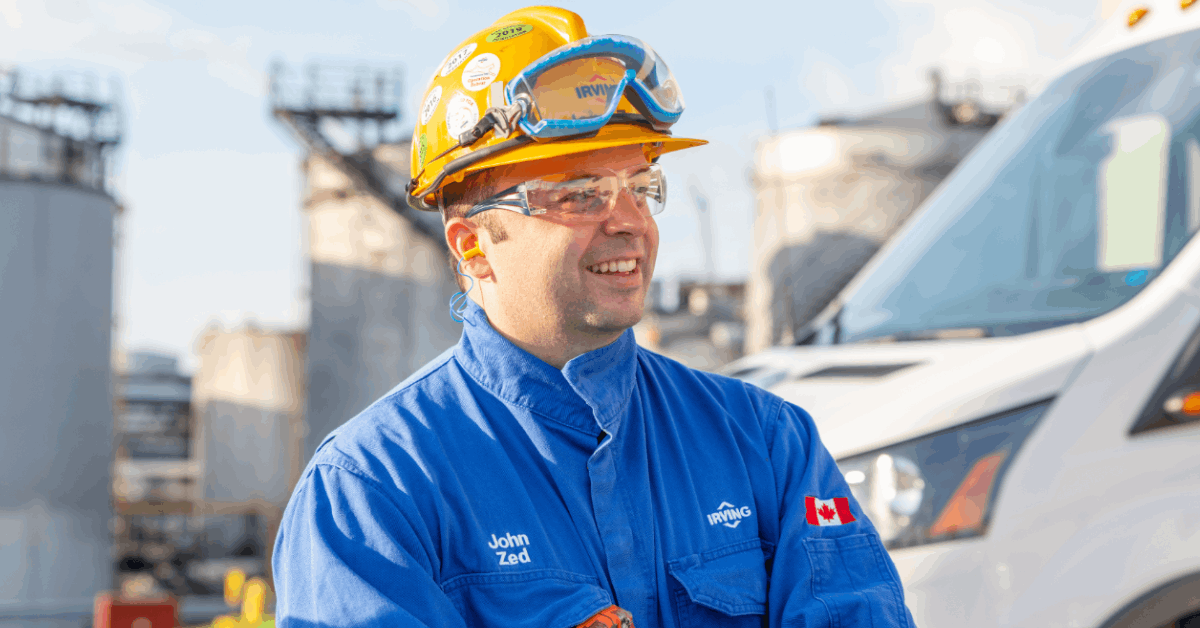
For those interested in hands-on work or technical trades, refinery plant positions might suit them.
These roles typically include maintenance technicians, process operators, and safety coordinators.
Some entry-level options can involve apprenticeships or on-the-job training. However, technical positions may need certifications, such as a Red Seal qualification or experience in industrial environments.
Retail and Customer Service Positions
Irving Oil owns many gas stations, which means retail roles ranging from gas attendants to store managers are often available. Retail jobs can appeal to those with strong interpersonal skills who enjoy public interaction.
These positions usually require flexibility for different shifts, and some experience in customer service is sometimes beneficial, though not always strictly necessary.
Corporate Office Opportunities
Corporate offices, primarily based in Saint John, New Brunswick, offer roles in finance, human resources, IT, communications, and marketing. Administrative professionals may find fulfilling work here.
Some roles lean toward those with post-secondary education or work background in business, but there are varied entry points even for those new to the corporate world.
Engineering and Technical Careers
If someone’s training is in engineering, there are regular postings for mechanical, chemical, and electrical engineers. Whether newly graduated or experienced, these roles ask for a blend of technical skills and teamwork.
It’s common to see continuous learning and development as part of these jobs, sometimes including involvement in sustainability projects or process improvement.
How to Find Openings and Start the Application Process
Irving Oil boards all of its current career opportunities on its Official Irving Oil Careers page. Positions update regularly, sometimes daily, depending on organizational need.
Navigating the site is fairly intuitive. Filters by category, location, and even part-time or full-time status help applicants zero in on suitable positions. Current job descriptions outline main duties, necessary qualifications, and sometimes expected shift schedules.
Creating a profile is typically required for online application, asking for basic information, resume uploads, and sometimes a tailored cover letter.
The portal also enables users to track submissions or request notifications on future postings—a feature that might be overlooked if one isn’t familiar with similar job sites.
Step-by-Step: Submitting a Strong Application
1. Review Position Requirements Thoroughly
Though it might seem obvious, many overlook the importance of noting every requirement and duty listed. Tailoring a resume to each post is often a good strategy, rather than sending a generic document.
This careful approach increases the odds of passing automated screening or catching the attention of a hiring manager. A small detail in the description could signal what sets one applicant apart.
2. Preparing a Customized Resume and Cover Letter
Highlighting accomplishments specific to the job or industry can showcase relevant experience. For instance, mentioning teamwork or safety records may resonate best for refinery or operations roles.
Corporate applicants might reference data analysis, project management, or adaptability. Most agree that resumes should be concise, ideally no more than two pages.
3. Using the Online Portal Effectively
Uploading documents as PDFs usually maintains formatting, which sometimes prevents errors during submission. The platform may also ask for pre-screening questions; answering these clearly and honestly allows recruiters to assess match quickly.
4. Following Up After Submission
Emails or calls are not always expected, but some choose to follow up if they haven’t received a notification within a reasonable window. Responses vary by department and role, so patience plays a part.
Common Hiring Stages at Irving Oil
The standard career application at Irving Oil involves several steps, although the exact process can differ slightly depending on job type and urgency of need.
1. Application Screening
Human resources conduct a first review, either digitally or manually. ATS (Applicant Tracking System) software may flag resumes that closely match key terms found in the posting.
2. Interview Process
Initial interviews usually happen virtually, sometimes by phone. Later rounds may be in-person, including skills assessments or panel interviews. Questions often address technical abilities, alignment with company values, and scenario-based problem solving.
3. Reference and Background Checks
Candidates advancing past interviews might be asked for professional references or to consent to a background check. This step aims to confirm work history and assess general fit.
4. Job Offer and Onboarding
If successful, an offer letter follows, often outlining salary, benefits, and start dates. Onboarding at Irving Oil involves a mix of safety training and role-specific orientation.
Key Qualities Valued by Irving Oil Recruiters
Some patterns emerge in what Irving Oil looks for, across most of its job postings. Leadership potential, reliability, and a commitment to safety often top the list for operational roles.
In customer-facing or corporate jobs, communication, flexibility, and attention to detail are highlighted. Those demonstrating a willingness to learn new systems or adapt to regulatory change may find greater success during interviews, although not every case will be the same.
There’s also growing interest in digital skills. Candidates able to work with new technology—from point-of-sale systems to refinery automation—are increasingly in demand.
Benefits and Professional Growth at Irving Oil
Employees mention a robust benefit package, with health and dental included in most roles. Retirement plans, tuition assistance, and wellness programs add to the career appeal. Internal mobility is encouraged, with regular training and the chance for lateral moves between departments.
For young professionals, the chance to join rotational programs or apprenticeships may stand out. Over time, employees occasionally report opportunities to cross from operations into management, or from retail to administrative support.
This internal growth is not universal, but it seems to reflect the company’s broader commitment to retention and career development.
Understanding Diversity, Inclusion, and Safety at Irving Oil
Corporate culture continues evolving. There are ongoing initiatives supporting workplace diversity, gender parity, and community engagement. Irving Oil has outlined many of these details in its corporate overview, reflecting a push towards inclusivity in hiring.
Safety forms the backbone of operational processes. Regular training and certification updates are standard practice, with formal reporting systems for incidents and near-misses.
Diverse teams are sometimes credited with increased innovation and problem-solving. Employees frequently refer to the sense of belonging fostered at every site.
Important Legal and Tax Considerations
Anyone working for a major corporation in Canada should remain aware of employment laws, tax contributions, and workplace rights.
Irving Oil complies with provincial and federal employment standards, including minimum wage, workplace safety, and overtime rules.
New recruits can expect standard paperwork—tax forms, proof of residency or citizenship, and sometimes, criminal background checks depending on position.
International candidates may have to provide additional documentation, especially if a work permit or sponsorship is required. Applying early, and checking on local requirements, can avoid delays in the hiring process.
Setting the Path for a Rewarding Career at Irving Oil
Navigating the Irving Oil application process can be a transformative step for those seeking meaningful employment in the energy field.
With clear hiring structures, diverse job categories, and a strong commitment to employee growth and inclusivity, the company continues to attract individuals focused on lasting careers.
Preparation, adaptability, and a proactive approach often distinguish those who succeed.
For anyone dreaming of a dependable role with future potential, Irving Oil may represent more than just another workplace—it can become the foundation for long-term satisfaction and professional development.